When people regret living in Phoenix, it is usually not because they bought the wrong granite countertops or picked the wrong floor plan. It is almost always because nobody explained the day-to-day realities of the area, the community, and the costs until they were already emotionally invested.
That is the part too many agents skip. They sell the sunshine, the golf, the winter weather, and the lifestyle. But the details that actually shape your experience of living in Phoenix are often the details that get left out.
If you are considering retirement here, buying a second home, or comparing 55+ communities around the Valley, these are the things that deserve a straight answer before you sign anything.
Table of Contents
- The Biggest Surprises About Living in Phoenix
- Why Summer Electric Bills Shock Most Homeowners
- Phoenix Property Taxes: Low… But Confusing
- HOA Fees in Phoenix: What Buyers Don’t Expect
- The Truth About Water in Phoenix Everyone Asks
- What 55+ Communities Really Mean in Phoenix
- Why Backyard Direction Matters in Phoenix Homes
- Why Most Agents Avoid These Phoenix Conversations
- How to Find an Honest Real Estate Agent in Phoenix
- Phoenix Living FAQ: What You Need to Know
The Biggest Surprises About Living in Phoenix
A lot of the frustration people have with living in Phoenix comes from things that sound small on paper but feel very big once you are here full-time.
That can mean utility bills that are much higher than expected. It can mean HOA rules that interfere with how you actually live. It can mean discovering your “perfect” patio is unusable most of the year because it faces west. Or realizing too late that your routine now includes long drives for groceries, medical appointments, or airport runs.
Retirement moves are lifestyle moves. The house matters, but the routine matters just as much.
Why Summer Electric Bills Shock Most Homeowners
This is one of the biggest wake-up calls for people moving from milder climates.
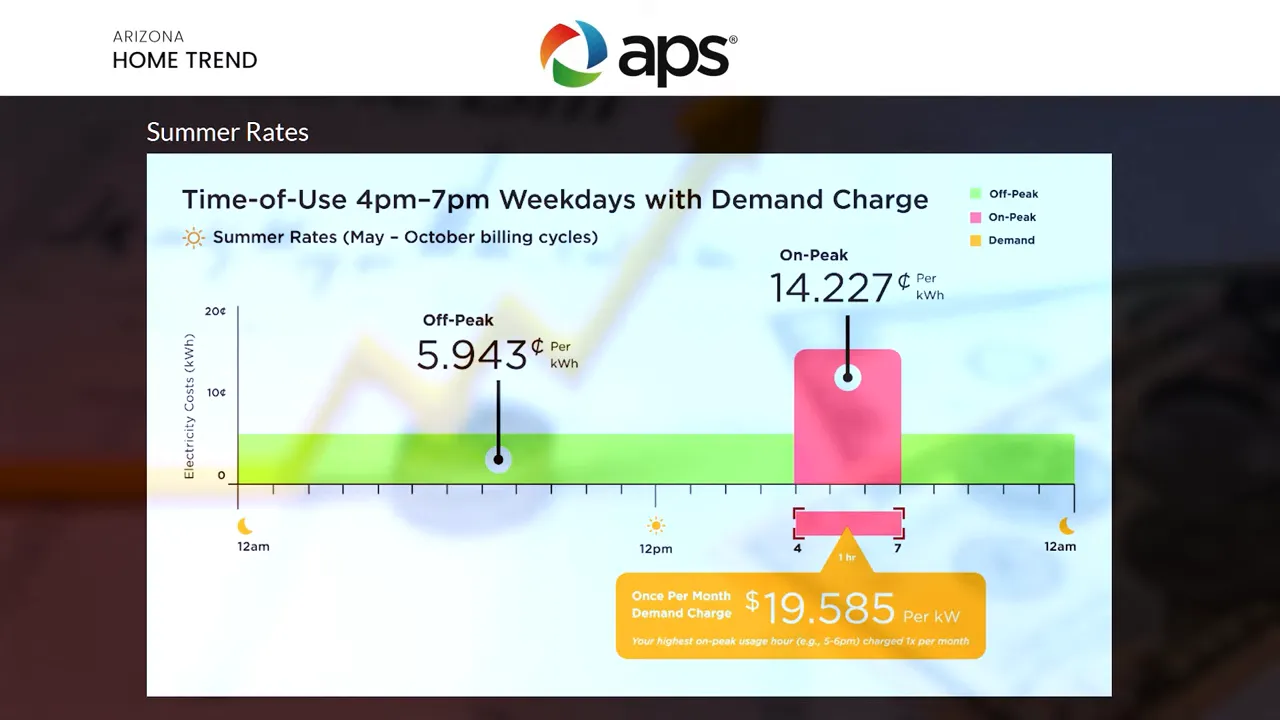
In Phoenix, summer electric bills are not just about using the air conditioner more. They are also about how utility companies charge. Many plans use time-of-use pricing, where electricity costs more during peak afternoon and early evening hours in the summer. Some also include a demand charge based on your highest usage during those peak times.
That means if you are doing several things at once during peak hours, you can push your bill up for the entire month. Think about this combination:
-
Running the AC hard
-
Doing laundry
-
Cooking dinner
-
Running a pool pump
If all of that happens during the expensive window, the number can jump fast.
That is why one of the smartest questions to ask before buying is simple: What were the actual electric bills in June, July, and August?
A home may look affordable at first glance, but the real cost of living in Phoenix changes if your first summer bill lands at $450. Pools, older AC systems, and weak insulation can all push costs higher.
If predictability matters to your retirement budget, do not estimate this. Ask for real numbers.
Phoenix Property Taxes: Low… But Confusing
Arizona property taxes are usually a pleasant surprise. In general, the effective rate tends to be around 0.5% of the home’s value, which is low compared with many other states.
The confusing part is how Arizona gets there. Property tax calculations involve terms like full cash value, limited property value, and an assessment ratio. For most buyers, that is more complexity than they ever wanted.
The practical takeaway is this:
-
Property taxes in Phoenix are often relatively low
-
You still need the actual number for the property you are considering
-
Some communities also include an extra CFD tax
A CFD tax, which works similarly to what some other states call Mello-Roos, helps repay infrastructure costs from when the community was developed. It usually is not huge, often around a few hundred dollars a year, but it absolutely belongs in your budget.
A solid agent should not be guessing here. They should be pulling county records, checking tax history, and confirming whether a CFD applies. That is part of giving someone the full picture of living in Phoenix, not just the sales version of it.
HOA Fees in Phoenix: What Buyers Don’t Expect
In Phoenix-area retirement communities, HOA fees are common. But the monthly fee by itself tells you almost nothing.
Some HOAs include landscaping and exterior maintenance. Others do not. Some communities have separate amenity fees. Golf access can be structured differently from one neighborhood to the next. Guest rules, parking rules, rental restrictions, and backyard use can also vary more than people expect.
This is where people get burned.
They focus on the home, assume the community operates like every other 55+ neighborhood, and only later discover restrictions that affect daily life. In some communities, the rules are strict enough that you may not even be able to park in your own driveway.
Arizona requires planned communities to provide resale disclosures. Those documents usually spell out the fees, the rules, and the financials. The problem is that many buyers read them only after they are under contract, when they are already emotionally attached and much less likely to walk away.
The better approach is to review those disclosures early and look for the things that can actually create friction in your lifestyle.
Questions worth asking include:
-
Does the HOA cover exterior maintenance or landscaping?
-
Are amenity fees separate from monthly HOA dues?
-
Are there guest limitations?
-
What are the parking rules?
-
Are rentals restricted?
-
What backyard or exterior modifications are allowed?
If you have three cars and the community does not allow driveway parking, that is not a minor detail. That is a problem you need to know about before making an offer.
The Truth About Water in Phoenix Everyone Asks
Any honest conversation about living in Phoenix eventually gets to water.
People see headlines about drought and start wondering whether buying here is a huge mistake. That concern is understandable. Phoenix is in the desert, and water is not a side issue.
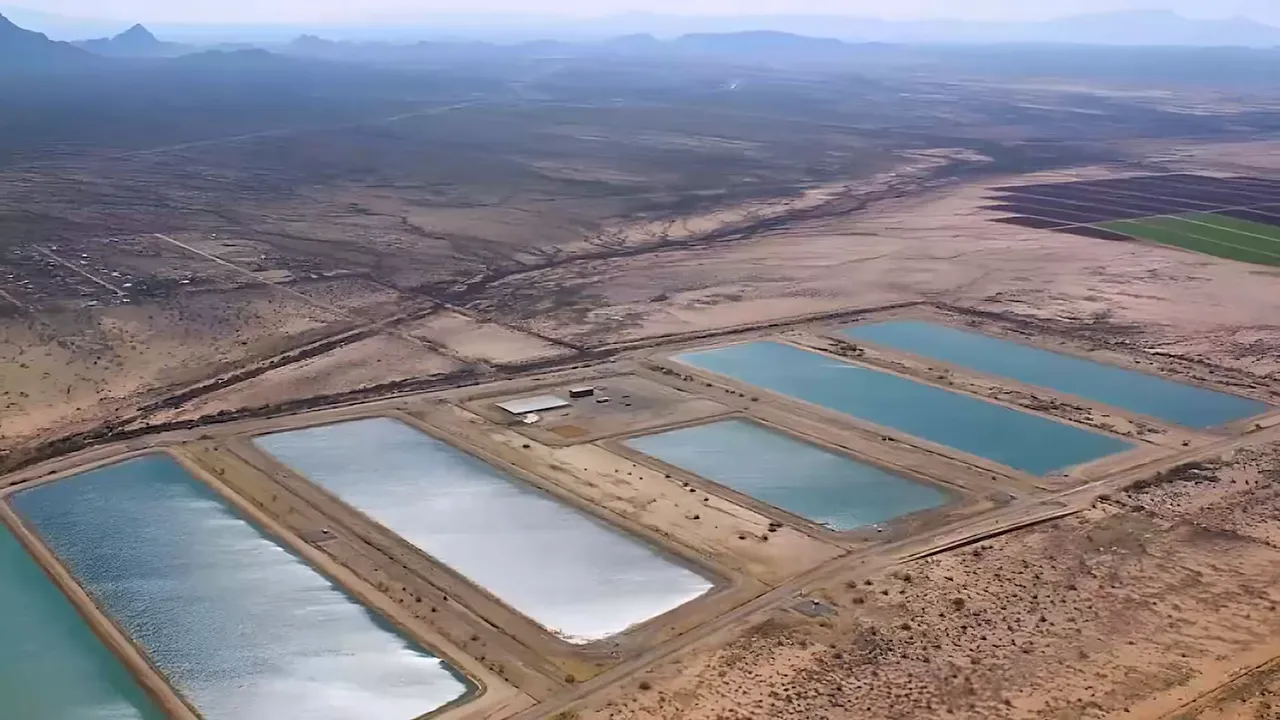
The practical overview is pretty straightforward. The Central Arizona Project is a large canal system that brings Colorado River water to Phoenix and Tucson. Groundwater use is also regulated in parts of the Phoenix metro area.
There are still broader policy questions about long-term water management, and those conversations continue at the federal level. But for a buyer, the real question is not whether they can personally solve western water policy. The question is whether they are comfortable making a long-term decision based on what is known today.
One reason some people feel confident about living in Phoenix long term is the scale of investment going into the region. A major example is the TSMC microchip plant in Phoenix, which requires substantial water and has received significant federal support. The logic is simple: that kind of investment suggests serious confidence in the area’s future infrastructure, including water.
That is an opinion, not a guarantee. But it is part of why many people are not panicking about buying here.
What 55+ Communities Really Mean in Phoenix
This catches people off guard all the time.
Many assume every 55+ community works exactly the same way. It does not. Arizona law generally requires that at least 80% of the homes in a 55+ community have at least one resident who is 55 or older. Beyond that, the rules can differ by community.
Some are stricter. Some are more flexible. Age verification, occupancy standards, and guest policies are not always identical.
So if a community’s age requirements are important to you, whether because you want a traditional retirement environment or because you want flexibility for family, it is worth confirming the exact rules for that neighborhood rather than assuming the label tells the whole story.
Why Backyard Direction Matters in Phoenix Homes
This is one of those details that sounds overly picky until you live with the consequences.
In Phoenix, the direction your backyard faces can have a real impact on comfort, energy use, and how often you actually enjoy the outdoor space.
If your backyard faces west, you are getting intense afternoon sun. That can heat up the patio, shine directly into your windows, and make the space far less usable during hotter parts of the year. It can also contribute to a hotter interior and more AC usage.
On the flip side, if you are only here in the winter and want sunshine, a north-facing backyard may feel too shaded.
This is not always a deal-breaker. There are ways to improve a tough orientation, like installing large drop-down sunshades. But it absolutely should be pointed out while you are evaluating homes, because this is part of the real experience of living in Phoenix.
Some things can be changed after closing. The direction of the sun is not one of them.
Why Most Agents Avoid These Phoenix Conversations
A lot of people assume dishonesty in real estate comes from bad intentions. Sometimes it is less dramatic than that. The system often rewards agents for keeping things moving.
Many agents are not deliberately trying to make anyone unhappy. But if an agent is living deal to deal, there is a strong incentive to avoid anything that could slow down a sale.
That can show up in a few predictable ways.
The “let’s just try it” buyer’s agent
This agent does not want to be the bad guy. You find a house you like, there are obvious red flags, and instead of slowing things down, they say, “Let’s write an offer and see what happens.”
Maybe the house is fine, but the community is too quiet for the lifestyle you want. Maybe the golf situation is not what you were hoping for. Maybe the location does not match your daily routine.
An honest agent should be able to walk through a property and say:
-
Here are the downsides of this home
-
Here is what the inspection is likely to uncover
-
Here is what those issues may cost to fix
-
Here is what this community does not offer compared with your wish list
Without that conversation, buyers waste time, money, and emotional energy on homes that were never a true fit.

The seller’s agent who buys the listing with an inflated price
This happens all the time. A seller interviews several agents. One of them gives the highest list price, and naturally that feels good.
The problem is that sometimes the price is not supported by actual comparable sales. It is just a way to win the listing. Then, once the home sits on the market without traction, the price gets reduced.
That hurts sellers because:
-
Longer time on market creates suspicion
-
Showings slow down
-
Offers often come in lower
-
The whole process becomes more stressful
The better conversation is grounded in real comps and a real plan. What does the market support? What needs to happen in the first two weeks? What is the strategy if activity is weak?
The subtle version: just not mentioning the negatives
This is probably the most common one.
The agent does not lie. They simply do not mention traffic noise, HOA restrictions, flight paths, a west-facing backyard, or a cheap-looking remodel. Because if those things come up, they might complicate the deal.
But those negatives matter. A lot.
Especially for retirees, the details that get skipped are often the details that shape everyday life:
-
How far will you drive for groceries?
-
How easy is it to get to doctors’ appointments?
-
How long is the airport trip?
-
What does rush hour actually feel like there?
-
Will you hear road noise or planes?
-
What can you really do with your property?
You are not just buying a house. You are buying a routine. If the routine is inconvenient, noisy, or more expensive than expected, that should be clear before the emotional attachment kicks in.
How to Find an Honest Real Estate Agent in Phoenix
If you want a better experience with living in Phoenix, the right agent makes a huge difference. Not because they can magically eliminate trade-offs, but because they are willing to bring those trade-offs up early.
Look for someone who tells the truth before you fall in love with a house
The best agents are comfortable having uncomfortable conversations early. They will tell you if the golf course is known for crowded tee times. They will tell you if the HOA rules clash with your lifestyle. They will tell you if the location is going to make your daily routine annoying.
That is what working for a client looks like.
Look for a real process, not just opinions
A good agent should have a system for helping you narrow down communities based on how you actually live.
That process should include:
-
Your day-to-day routine
-
Your must-have amenities
-
The activity level you want in the community
-
HOA costs and structure
-
Driving distances to the places that matter
-
Utility expectations
-
Golf or club membership costs if relevant
-
Your summer plan if you are seasonal
That is how you avoid wasting time in neighborhoods that were never going to be right for you.
For retirees especially, the community often matters as much as the house. Sometimes more.
If you’re a homebuyer moving to Phoenix(especially for retirement or a second home), don’t guess—get a straight answer on HOA rules, utility costs, community fit, and the real day-to-day trade-offs.
Call or text: 623-688-4793 to book a quick conversation and start narrowing down the neighborhoods that match your lifestyle and budget.
Phoenix Living FAQ: What You Need to Know
Are electric bills high when living in Phoenix?
They can be, especially in summer. Air conditioning is the obvious factor, but time-of-use pricing and demand charges can also make bills jump. It is smart to ask for the seller’s actual summer bills for June, July, and August before buying.
Are property taxes high in Phoenix?
Generally, no. Arizona property taxes tend to be relatively low, often around 0.5% effective tax rate. But some homes may also have a CFD tax, so it is important to verify the exact tax history for the specific property.
Do all 55+ communities in Phoenix have the same rules?
No. While Arizona law sets a general framework, each community can have its own rules around age verification, occupancy, guests, parking, rentals, and amenity access. The label alone does not tell the whole story.
Does backyard orientation really matter when living in Phoenix?
Yes, more than many people expect. A west-facing backyard can get brutal afternoon sun, making patios hotter and increasing heat inside the home. A north-facing yard may be too shaded for winter-only residents who want more sunshine.
Should I be worried about water when living in Phoenix?
It is reasonable to ask about it, but buyers should separate headlines from practical decision-making. Phoenix has major water infrastructure through the Central Arizona Project, and groundwater use is regulated in the metro area. Long-term policy questions remain, but many buyers are still comfortable making a move based on current conditions.
What should a good real estate agent explain before I buy in Phoenix?
A good agent should explain utility costs, taxes, CFD fees if applicable, HOA rules, backyard orientation, traffic, noise, and how the location fits your routine. They should also help compare communities based on your lifestyle, not just show homes until one feels good emotionally.
The biggest lesson here is simple. The risks around living in Phoenix are usually not hidden in some dramatic way. They are hidden in the ordinary stuff people fail to ask about until it is too late.
Electric bills. HOA rules. Community fit. Backyard sun exposure. Driving distances. Noise. Monthly costs. Those are the things that shape whether you love your move or regret it.
So before getting attached to the finishes and the photos, make sure someone is helping you evaluate the routine. Because when it comes to living in Phoenix, the routine is the real product.